
International quality standards are crucial for the global success of API exporters.
They ensure product safety and consistency. They also decide if a manufacturer can enter regulated markets worldwide.
Without robust compliance, even high-quality APIs struggle to gain international acceptance.
Global API Market Dynamics and Compliance Cost
The global API market is expanding on a larger scale.
The demand for high-quality medicines is rising. This includes treatments for chronic diseases and advanced drug formulations.
In 2024, the market was worth USD 209.80 billion. It’s projected to reach USD 359.12 billion by 2032. This shows a strong CAGR of 6.9%.
This growth comes from three key factors:
The market size and forecast-
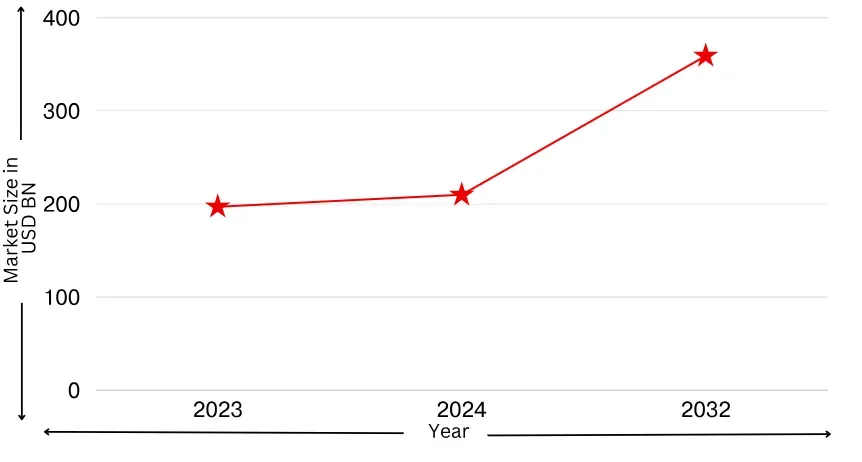
In 2023, the market size was USD 196.99 billion.
In 2024, the market size was USD 209.80 billion.
As per the report, the 2032 forecast market size is USD 359.12 billion.
Regulatory Gateways: FDA, EMA, and WHO Certifications
US FDA Regulatory Footprint and Export Volume
Within this context, India is a critical player in the global pharmaceutical manufacturing and API supply chain.
It meets 47% of the U.S. demand for generic medicines. This is being supported by the strong base of API exports.
With the passing years, Indian regulatory performance has improved.
A significant percentage of Indian manufacturing facilities previously received OAI classifications, but this has reduced over time.
The FDA dropped from 26% in 2014 to just 13% in 2023. This weakens India’s efforts to improve its quality system and regulations.
It also affects alignment with international standards from the FDA, EMA, and WHO.
This could hurt India’s reputation as a reliable global pharma hub.
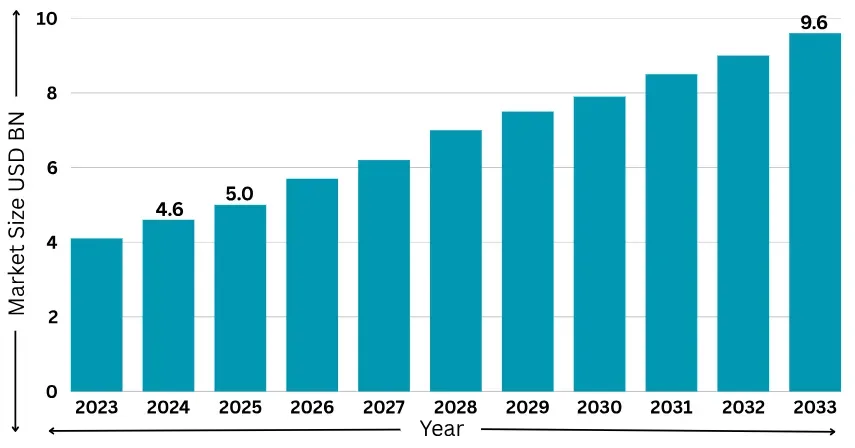
The chart shows how the U.S. Regulatory Affairs Market grows steadily from 2023 to 2033.
It includes both in-house and outsourced services.
The market size grows each year. It starts at about USD 4.6 billion in 2024 and reaches nearly USD 9.6 billion by 2033.
Outsourced regulatory services are growing faster than in-house teams.
Pharmaceutical companies now depend on specialised partners for complex regulatory needs.
This trend highlights the rising compliance burden and the growing need for expert regulatory support in the U.S. market.
European Union (EU) Compliance: GMP and CEP
The European Union has strict quality standards. Since 2004, all APIs used in medicines must fully comply with ICH Q7/EU GMP Part II regulations.
Manufacturers can get a Certificate of Suitability (CEP) to simplify regulatory pathways.
This certificate shows that the API meets the European Pharmacopoeia’s quality standards.
A CEP simplifies regulatory submissions for EU member states and the pharmaceutical industry.
Eur. Helps countries reduce paperwork and speed up market entry.
This makes it a key certification for global API suppliers.
WHO-GMP and Developing Market Leadership
India leads in the pharma market, holding 57% of WHO-prequalified APIs.
This strong representation shows India’s high manufacturing standards.
It follows WHO-GMP guidelines and is building a solid reputation.
This compliance strength helps India supply reliable, affordable, and high-quality APIs to developing countries and the Asia-Pacific region.
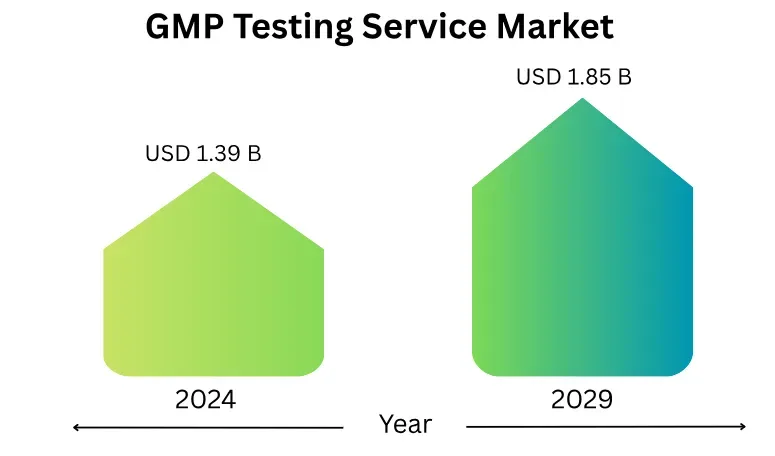
The image shows the growth of the GMP Testing Service Market.
It is expected to rise from about USD 1.39 billion in 2024 to USD 1.85 billion by 2029. This, in turn, reflects a healthy CAGR of 5.61%.
The data show that global demand for GMP-compliant testing is rising.
This is where the increment comes as regulatory scrutiny grows, and here the Asia Pacific region is one of the fastest-growing markets.
However, North America remains the largest. Major players include Eurofins, Microchem, Sartorius, NAMSA, and PPD.
This shows strong industry consolidation. High-quality testing services are in demand to meet global pharmaceutical standards.
Foundational Quality Systems: ICH Q-Series Integration
ICH Q7: The GMP Baseline for APIs
The world standard for GMP in making APIs is set by ICH Q7.
This helps companies sell products in more than 100 countries and expand globally.
Q7 guarantees consistent quality, secures regulatory approval, and simplifies market entry in important regions.
Not following Q7 can lead to serious consequences. This includes Import Alerts in the U.S. and Non-Compliance Statements in the EU.
These issues can halt exports, damage credibility, and restrict access to key pharmaceutical markets.
ICH Q9: Quality Risk Management (QRM)
ICH Q9 highlights proactive Quality Risk Management. It helps manufacturers find, evaluate, and manage risks in their processes.
Effective QRM can reduce key process deviations by 25–35% within two years. This improves consistency and reduces regulatory exposure.
Weak data integrity is a major issue under Q9. It leads to expensive compliance tasks and regulatory checks.
ICH Q10: Pharmaceutical Quality System (PQS)
ICH Q10 emphasises a complete pharmaceutical quality system. It ensures top quality across every stage of the product lifecycle.
This includes initial development, scale-up, commercial production, and eventual phase-out.
This approach focuses on continuous improvement. It reduces the risk of late-stage product problems and boosts overall reliability.
The Q10 principle does fit quite well with the growth in the Asia-Pacific pharma sector.
It’s expected to grow at a 7.08% CAGR. A strong PQS can help companies stand out in this fast-growing market.
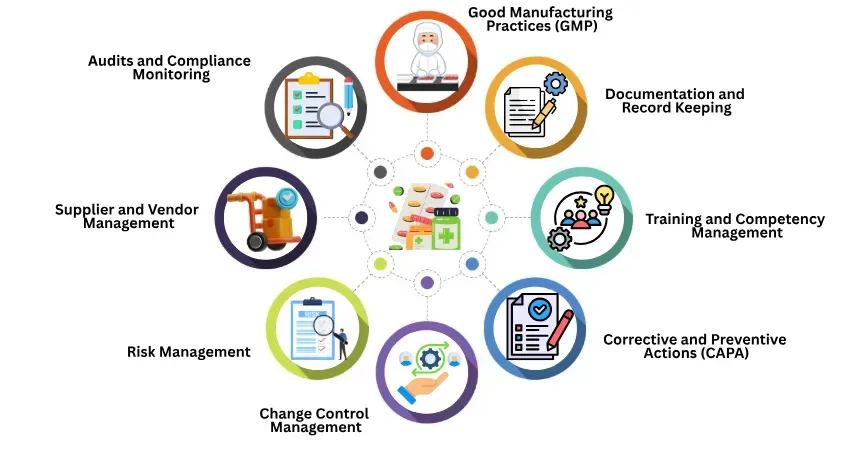
At the center is the goal of maintaining high-quality, safe, and compliant medicines.
The key elements that support QMS are around it. They include:
Together, these components ensure consistent product quality, regulatory compliance, and patient safety.
The Financial Case: ROI of Compliance and Non-Compliance Cost
Quantifying Remediation and Revenue Loss
Dealing with a major regulatory Warning Letter can hold up a manufacturer for 1 to 3 years.
This delays exports and disrupts business operations.
A single compliance mistake can lead to huge losses.
This includes wasted batches, expensive expert fixes, and extra regulatory fees.
Return on Investment (ROI) via Customer Trust
Strong compliance brings clear benefits. API plants make up 56% of all USFDA-approved facilities in major exporting hubs.
Regulatory clearance serves as a strong credibility check. It helps compliant manufacturers build long-term partnerships.
At the same time, it reduces competition from firms that can’t meet the same standards.
Advanced Quality Requirements and Supply Chain Security
Good Distribution Practices (GDP) and Cold Chain
Following Good Distribution Practices (GDP) is crucial. It represents about 20% of global pharma losses.
This results from temperature deviation at the time of the transition.
Global buyers are boosting manufacturing quality. They also check the integrity and reliability of the distribution chain.
This includes managing the cold chain.
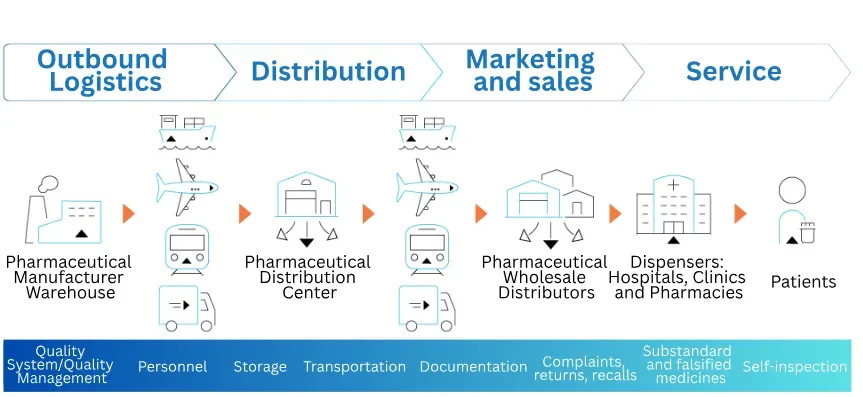
The image depicts good distribution practice. Outbound logistics involve releasing medicines from manufacturing with the right documentation and validation.
For distribution, we move and store products in controlled conditions to maintain quality.
Medicine gets to wholesalers and pharmacies through marketing and sales.
This process involves proper documentation. Final delivery ensures that medicines reach patients safely.
Legislative Compliance: Anti-Counterfeiting Measures
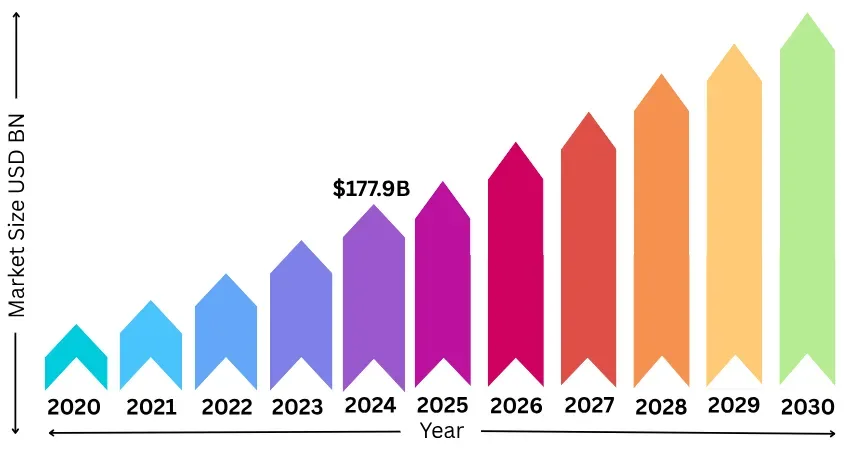
This image shows the Anti-counterfeit Packaging Market growth from 2020 to 2030, where the market is segmented by technology: Track & Trace, Overt, Covert, and Forensic.
The market size is expected to reach $177.92 billion by 2024.
The market is projected to grow at a CAGR of 11.7% from 2025 to 2030.
Computer System Validation (CSV) and Data Integrity
In recent years, data integrity issues have become a big concern during FDA inspections.
Many observations on documentation and record keeping are key to computer system validation.
These issues make up a portion of the FDA Form 483 findings.
Some reports say that about 21% of these observations relate to data integrity issues.
This ensures that the accurate, secure electronic records are complete in all aspects and is quite important for regulatory compliance.
Future of Quality: Sustainability and Supply Chain Assurance
ESG (Environmental, Social, and Governance) and Quality Sourcing
More than 70% of the suppliers in the pharma sector are now exposed to climate-related risks.
This encourages companies to include ESG factors in their quality risk assessments.
Non-compliance with social or environmental standards can lead to boycotts.
This damages brand reputation and cuts export chances.
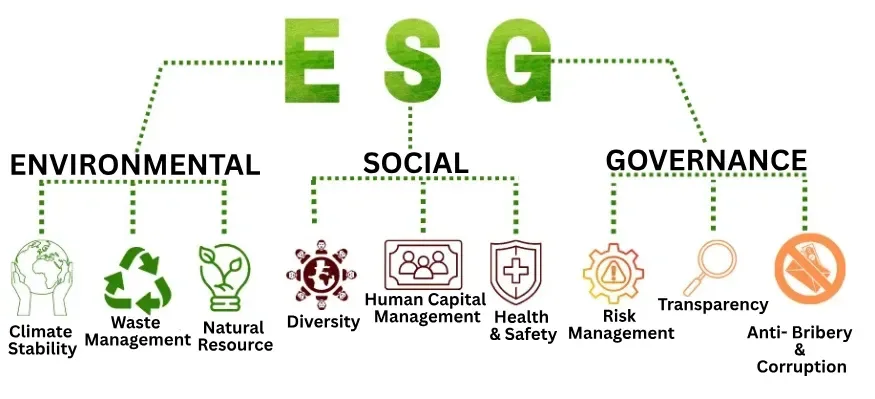
This image shows the three pillars of ESG: Environmental, Social, and Governance.
It also illustrates how each pillar connects. The environmental section covers three main topics: climate stability, waste management, and responsible natural resource use.
The Social pillar emphasises diversity, human capital development, and employee health and safety.
The Governance pillar includes risk management, transparency, and anti-bribery or anti-corruption practices.
This image delivers that ESG drives responsible, ethical, and sustainable business operations.
Regulatory Convergence and Harmonisation
Across the global regulatory landscape, agencies are steadily moving toward aligned quality benchmarks.
Global regulatory bodies are moving toward harmonized pharmaceutical quality standards such as ICH, WHO-GMP, and PIC/S frameworks in more than 31 countries.
This shows the power of having unified standards. This harmonisation cuts down on repetitive inspections and paperwork.
That way, businesses can save a lot of time and effort every year.
Conclusion
In the pharmaceutical export ecosystem, compliance stands as the cornerstone of international credibility.
When manufacturers meet global standards, they improve stability. They also gain access to important markets.
Ultimately, strong compliance transforms regional players into dependable partners on the world stage.